Geneva Talks Collapse: World Fails to Agree on Rules for 'Killer Robots'
UN conference in Geneva on autonomous weapons ended without binding legal commitments due to opposition from Russia and other nations.
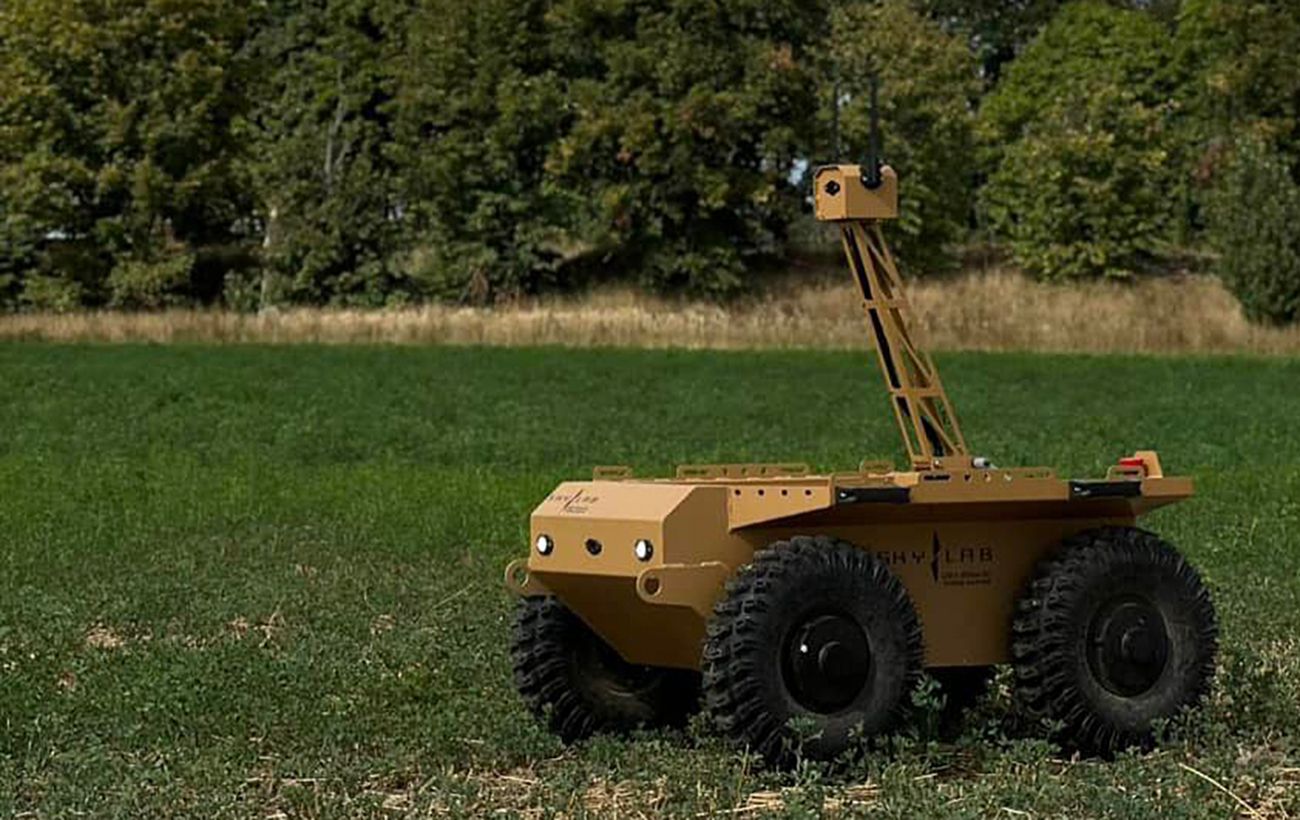 🎓Education
Photo: RBC-Ukraine
Key points
- Geneva negotiations on a legally binding treaty for autonomous weapons have failed.
- Russia stalled the process while the US and several allies opposed strict legal obligations.
- Over 100 countries pushed for new legal norms to address the unique risks of autonomous systems.
- Experts warn that autonomous weapons are already operational while global leaders delay regulation.
A week of negotiations in Geneva under the UN Convention on Certain Conventional Weapons, aimed at establishing a legally binding treaty on autonomous weapon systems, has ended without a definitive result. Due to the requirement for consensus and resistance from several delegations, the process stalled. Instead of strict regulatory norms, participants adopted a softer format that tasks countries with drafting a document that may lack any legal obligations.
Delegation Positions and Stalling Tactics
According to diplomats present at the talks, the Russian delegation intentionally delayed discussions and blocked a formal negotiating mandate. At the same time, other leading nations developing artificial intelligence military technologies—including the United States, the UK, France, Germany, South Korea, and Japan—were also reluctant to accept legally binding constraints, arguing that existing international humanitarian law is sufficient.
Conversely, more than 100 states insisted on new legal instruments, pointing out the unprecedented challenges posed by autonomous systems. Experts and human rights advocates heavily criticized the outcome, noting that autonomous weapons are already being deployed while global leaders fail to demonstrate the necessary political urgency.
Implications for Global Security and Local Context
For residents of Ukrainian communities, these international discussions resonate deeply due to the rapid advancement of defense technologies on the battlefield. As Ukraine increasingly integrates autonomous ground and aerial robotic systems, the question of legal and ethical human oversight becomes critical. The growing autonomy of military drones requires a clear definition of responsibility between human operators and artificial intelligence.
Source RBC-Ukraine — rbc.ua/ukr/news/rosiya-znyala-zaperechen-zhenevi-domovilisya-179542… ↗
Read next
 🧠AI Analysis
Tragedy in Kyiv Region: 14 Dead Following Massive Drone Strikes and Infrastructure Damage
Russian drone attacks on the Kyiv region resulted in 14 deaths, including a child, and damaged over twenty civilian and infrastructure objects.
 💡Tech
Desert Innovation: How Morocco's Giant Solar Complex Generates Power Even at Night
Near the Sahara in Morocco, the Noor solar complex utilizes thermal storage technology to produce electricity long after sunset.
 🧠AI Analysis
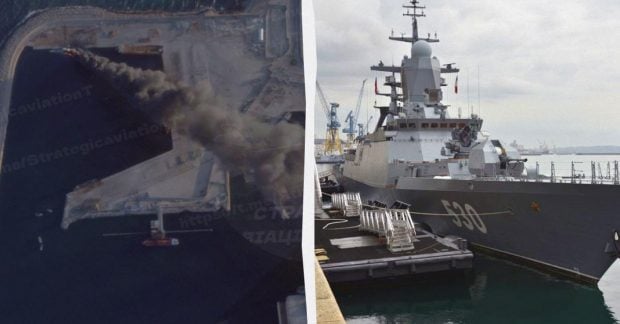
Russian Corvette 'Mercury' Sunk Off the Coast of Libya: Details and Strategic Impact
Ukrainian Defense Forces used seven naval drones to sink the Russian corvette 'Mercury' and strike the cargo ship MV ANGARA in the Mediterranean Sea. Ukrainian Navy offic…
 🛡️Security
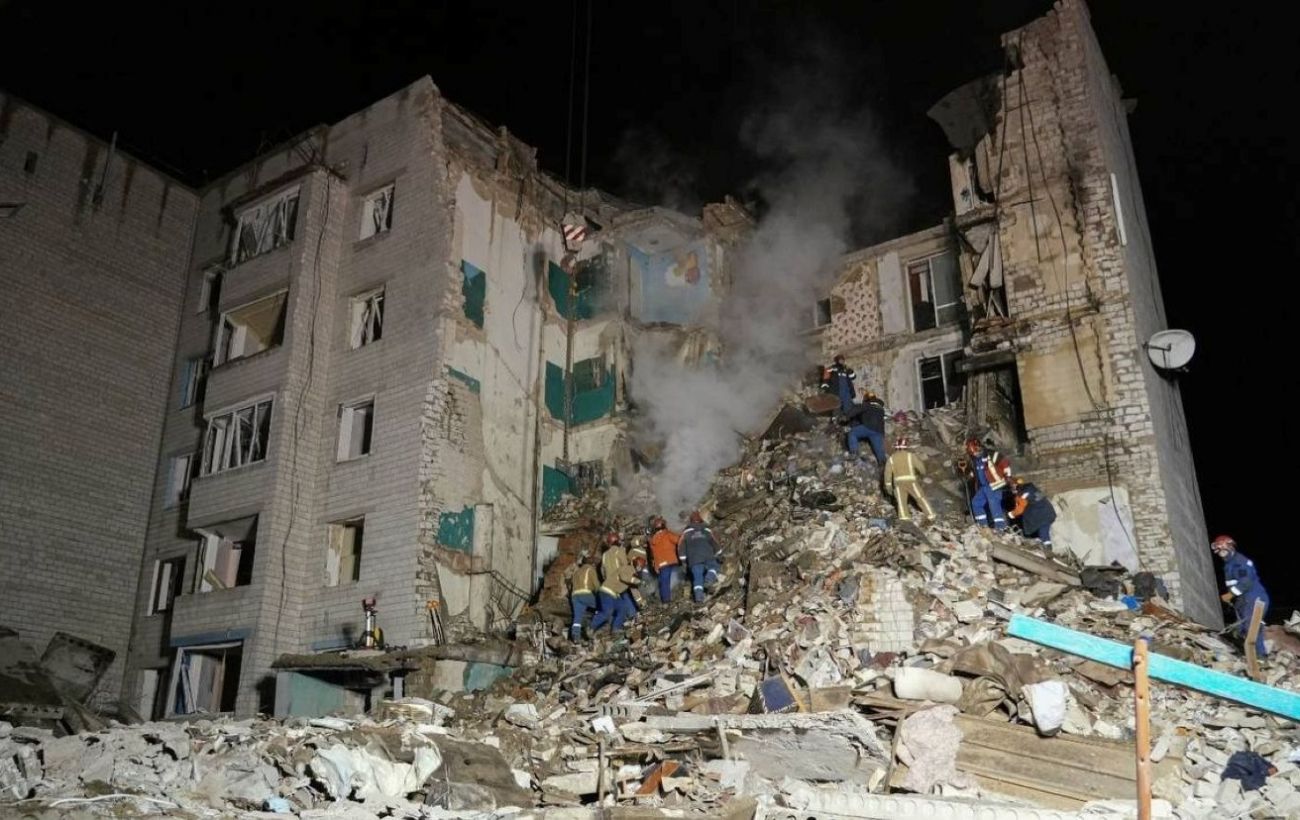
Strike on Dymer in Kyiv Region: Death Toll Rises to 11
As a result of an enemy drone attack on a residential five-story building in Dymer, 11 people were killed, with rescue operations hindered by ongoing threats of repeated …
 🧠AI Analysis
Western Intelligence Warns of Russian Plans to Deploy Nuclear Weapons in Space
Western intelligence agencies report that Russia could deploy a nuclear-armed satellite into low Earth orbit as early as this year.
 🚌Transport
Ukrainian Energy Sector Suffers 100 Attacks in a Week: Critical Situation in Regions
Over the past week, Russian forces launched a hundred targeted attacks on Ukraine's energy infrastructure, with Odesa and Dnipropetrovsk regions facing the most severe di…