Controversy Surrounding Foreign Business Trips of War Museum Director: Investigation Details
Public activists and journalists have analyzed the numerous overseas trips of Yuriy Savchuk during martial law, questioning their efficiency and funding.
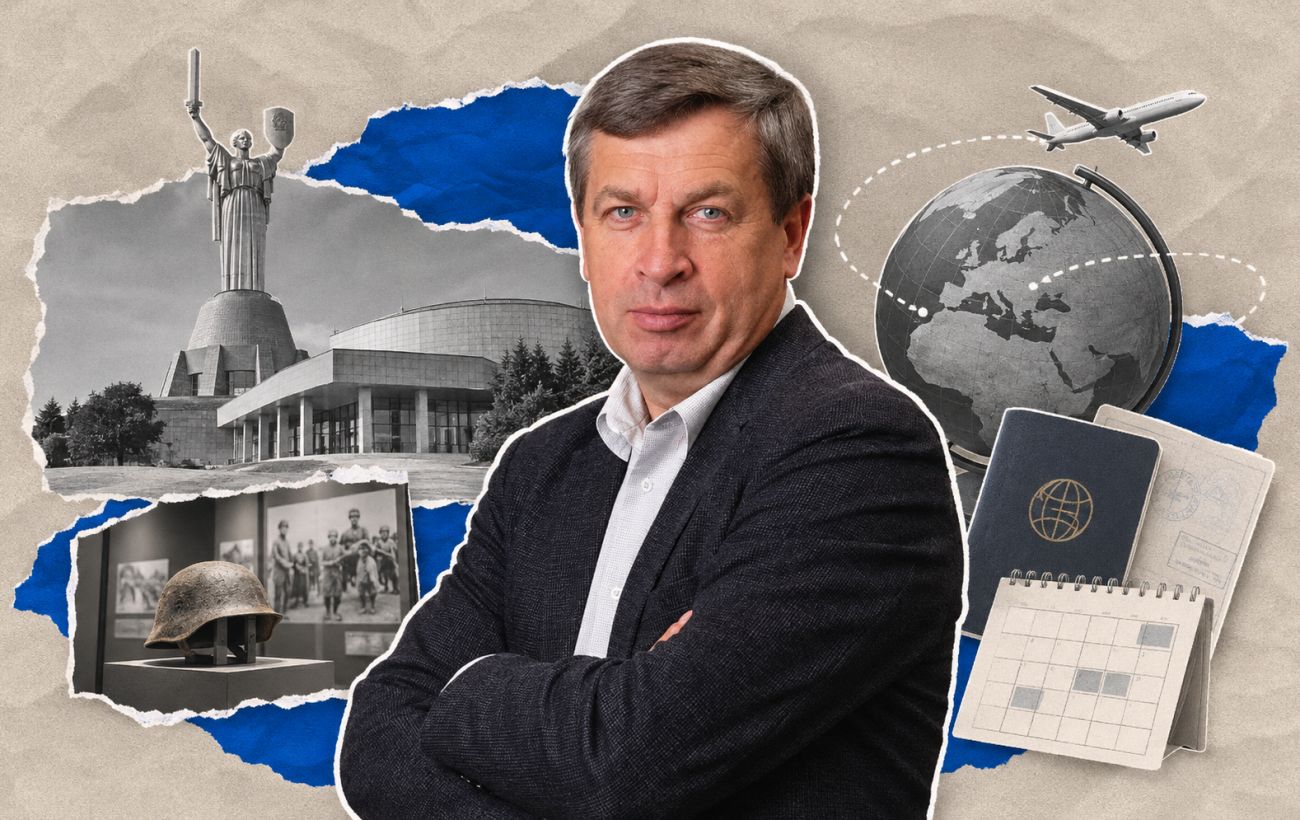 🚨Events
Photo: RBC-Ukraine
Key points
- Director Yuriy Savchuk spent 286 days abroad during 29 business trips.
- Activists highlight a 13-day trip to London for a one-day award ceremony.
- The museum maintains that international presence is vital for documenting the war.
The issue of transparency in the use of public funds and the appropriateness of long-term foreign trips by officials during wartime has gained new resonance. The focus is on Yuriy Savchuk, Director of the National Museum of the History of Ukraine in the Second World War. According to the investigation, he has spent nearly 10 months abroad in recent years, totaling about 286 days across 29 business trips.
Museum's Defense and Trip Statistics
The museum's management explains this activity as a necessity for representing Ukraine on the international stage. According to official data, the staff has performed massive work: 26 exhibitions on four continents and establishing ties with 63 foreign institutions. The museum emphasizes that most trips were funded by the host parties, with state funds used only partially for transport in certain cases.
However, the NGO "eZAKON" points to significant discrepancies between the duration of trips and the dates of official events. Specifically, a trip to the UK in May 2023 drew attention. Documents show the trip lasted 13 days, while the main event — the Museums + Heritage Awards — took place on only one of those days. The cost of this trip is estimated at over 100,000 UAH.
Questionable Results and Accountability
Beyond the UK case, questions arose regarding visits to Italy and Poland. Activists claim that reports from these trips lack information on specific investments or cooperation agreements, despite these being declared goals. There were also recorded instances of a personal honorarium received by the director for a lecture in the US and the failure of one museum employee to return from a trip to Sweden.
"We must clearly understand what benefit the state receives from every day an official spends abroad, especially when using limited resources during a war," the activists stated.
Currently, the situation remains under public scrutiny. While the role of cultural diplomacy in documenting Russian aggression is undeniable, the efficiency of time management and reporting by the leadership of national institutions requires clear answers to maintain public trust.
Source RBC-Ukraine — rbc.ua/ukr/news/mayzhe-10-misyatsiv-kordonom-pid-chas-viyni-1795434… ↗
Read next
 🧠AI Analysis
Severe frosts down to -13°C heading to Ukraine: forecasters warn of dramatic weather change
Late November will bring a sharp cold snap to Ukraine, featuring snow and nighttime temperatures dropping to -13...-16°C due to a Scandinavian anticyclone.
 🛡️Security
Drone Attack Hits Kyiv: Fires Reported in Three Districts, Casualties Confirmed
On Monday, November 23, drone debris fell across Kyiv, causing vehicle fires and damaging a critical infrastructure site.
 🇺🇦Ukraine
Hungary advocates for separating EU budget from aid to Ukraine
Hungarian Prime Minister Péter Magyar has called for the EU's long-term budget negotiations to be kept separate from discussions on financial support for Ukraine.
 🧠AI Analysis
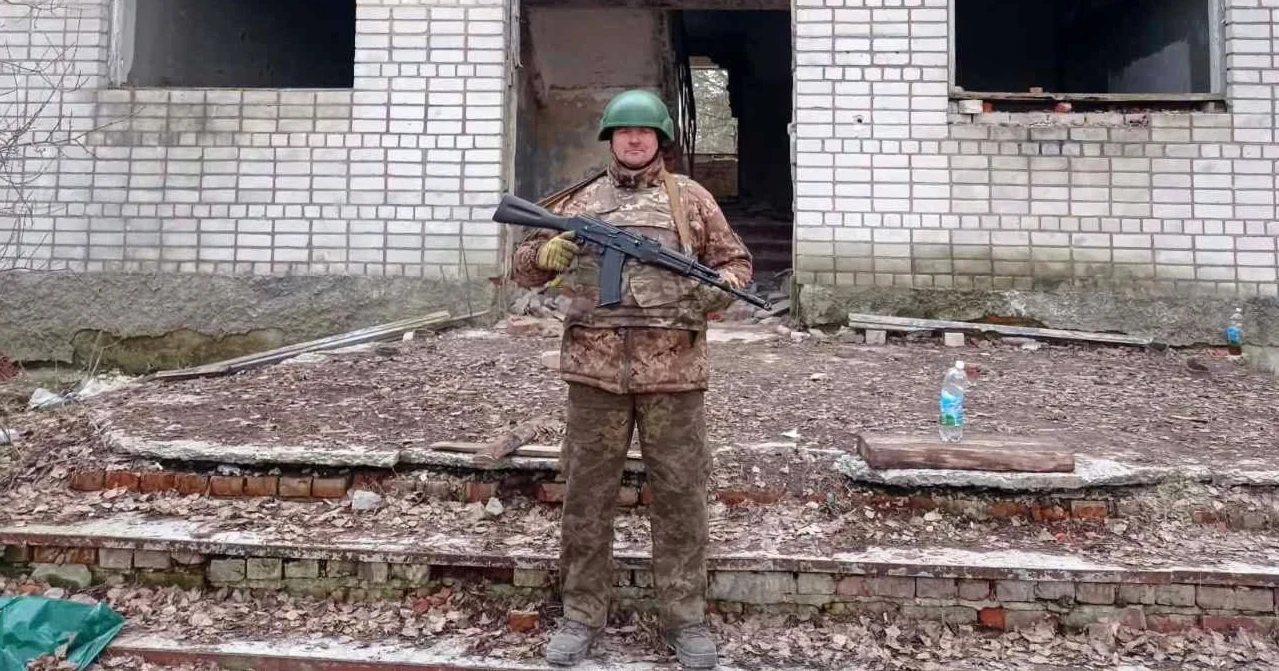
Over a year and a half of uncertainty: Bar community bids farewell to Defender Yurii Hubchakevych
Missing in action for over a year and a half: the family of Yurii Hubchakevych, a fallen warrior from Bar who died in November 2024, received official confirmation of his…
 🏛️Politics
SAP Prosecutor Praises NABU Media Team Amid Criticism Over Evidence Quality
SAP prosecutor Rostyslav Batih commended the professional skills of NABU's video editors when questioned about the agency's reliance on media campaigns over solid legal e…
 🩺Health
Scientists Identify Two Critical Stages of Accelerated Immune System Aging
Research from Singaporean scientists indicates that human immunity loses efficiency not gradually, but in distinct leaps at ages 40 and 60.