The Psychology of Personal Boundaries: Why Some People Avoid Hugs
Psychologists explain why a dislike for physical contact and hugging does not indicate coldness or a lack of affection.
 🎓Education
Photo: UNIAN
Key points
- Hugging is a common sign of affection, but it causes discomfort for some.
- Refusing physical contact does not mean a lack of love or care.
- Upbringing, childhood experiences, and personality shape touch preferences.
- Respecting personal boundaries helps build healthier social relationships.
In modern society, hugging is widely considered a universal way to express affection, emotional closeness, and support among relatives, friends, and partners. However, not everyone enjoys physical contact, and many people feel noticeable discomfort when someone tries to embrace them, even among trusted individuals. Such a reaction can often lead to misunderstandings, as others may mistakenly interpret it as a sign of emotional coldness or indifference.
Why Physical Contact Can Feel Uncomfortable
According to experts, refusing to hug has deep psychological roots and does not mean a person lacks love for others. Specialists note that childhood upbringing and early experiences are among the primary factors influencing this behavior. Individuals who grew up in families where physical expressions of tenderness were rare may naturally feel less accustomed to hugging in adulthood.
In addition to early background, personal traits, self-esteem, cultural differences, and current emotional states all shape a person's attitude toward physical touch. Psychologists emphasize that everyone has the right to establish comfortable personal boundaries in communication. For residents striving to build harmonious relationships within their community, understanding these psychological nuances helps prevent unnecessary hurt feelings and fosters greater empathy among people.
Source UNIAN — unian.ua/curiosities/lyudi-yaki-unikayut-obiymiv-mozhut-mati-ci-oso… ↗
Read next
 ⚽Sport
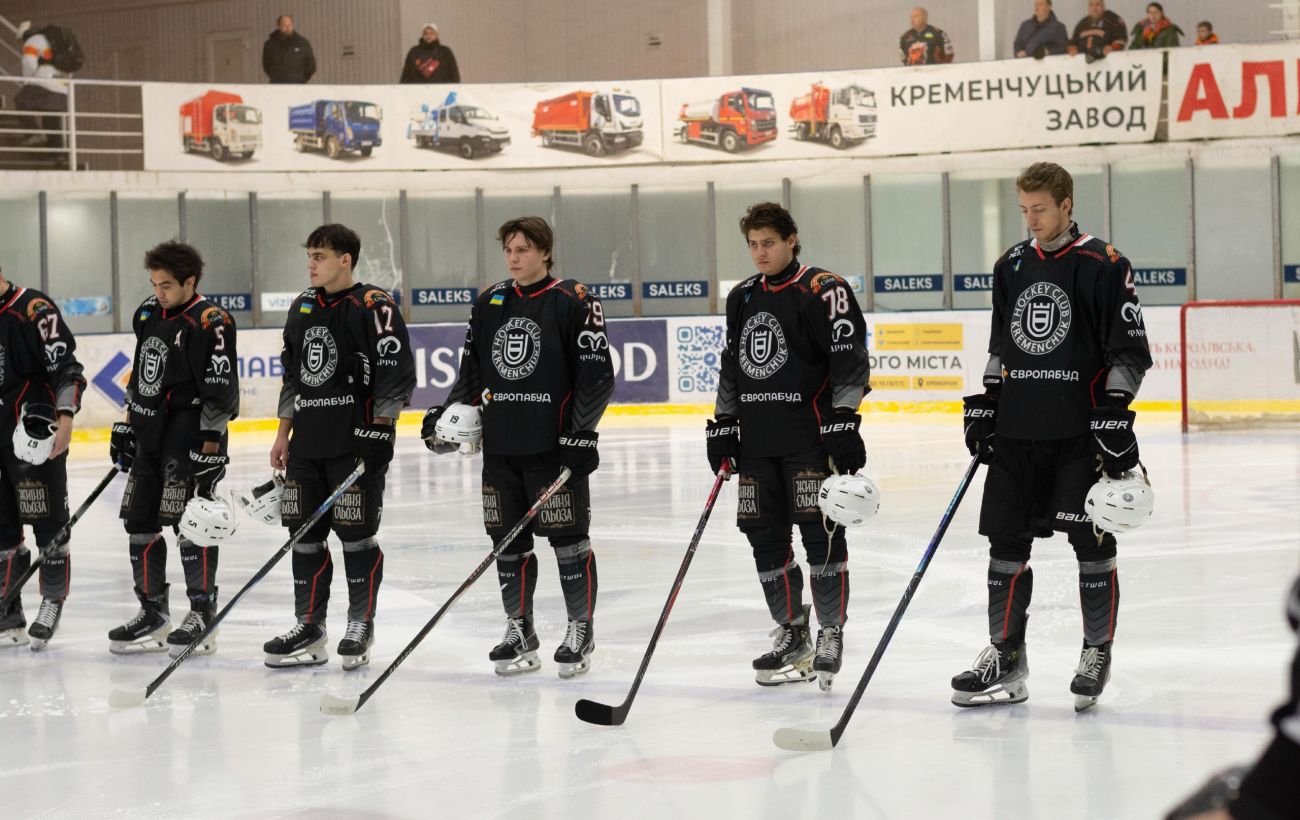
HC Kremenchuk closes gap on Ukrainian Hockey League leader
HC Kremenchuk secured a 5-2 victory over league leaders Odeshchyna, climbing to second place in the standings.
 🛡️Security
Russian attack on a supermarket in Vyshneve: casualties reported
A Russian strike on a civilian object in Vyshneve has resulted in one death and three injuries.
 🛡️Security
Another enemy attack on Kyiv region: Casualties and injuries reported in Vyshneve
On Sunday, a Russian attack on the Kyiv region damaged civilian infrastructure, resulting in one death and several injuries among civilians.
 🩺Health
Water Consumption and Blood Pressure: Cardiologists' Guidelines for Bar Residents
Experts clarify how proper hydration stabilizes blood pressure and provide specific daily water intake targets for men and women.
 🚨Events
Car theft protection: why drivers use foil to store keys
Car owners with keyless entry systems are using simple household items to protect themselves from relay attacks.
 💼Economy
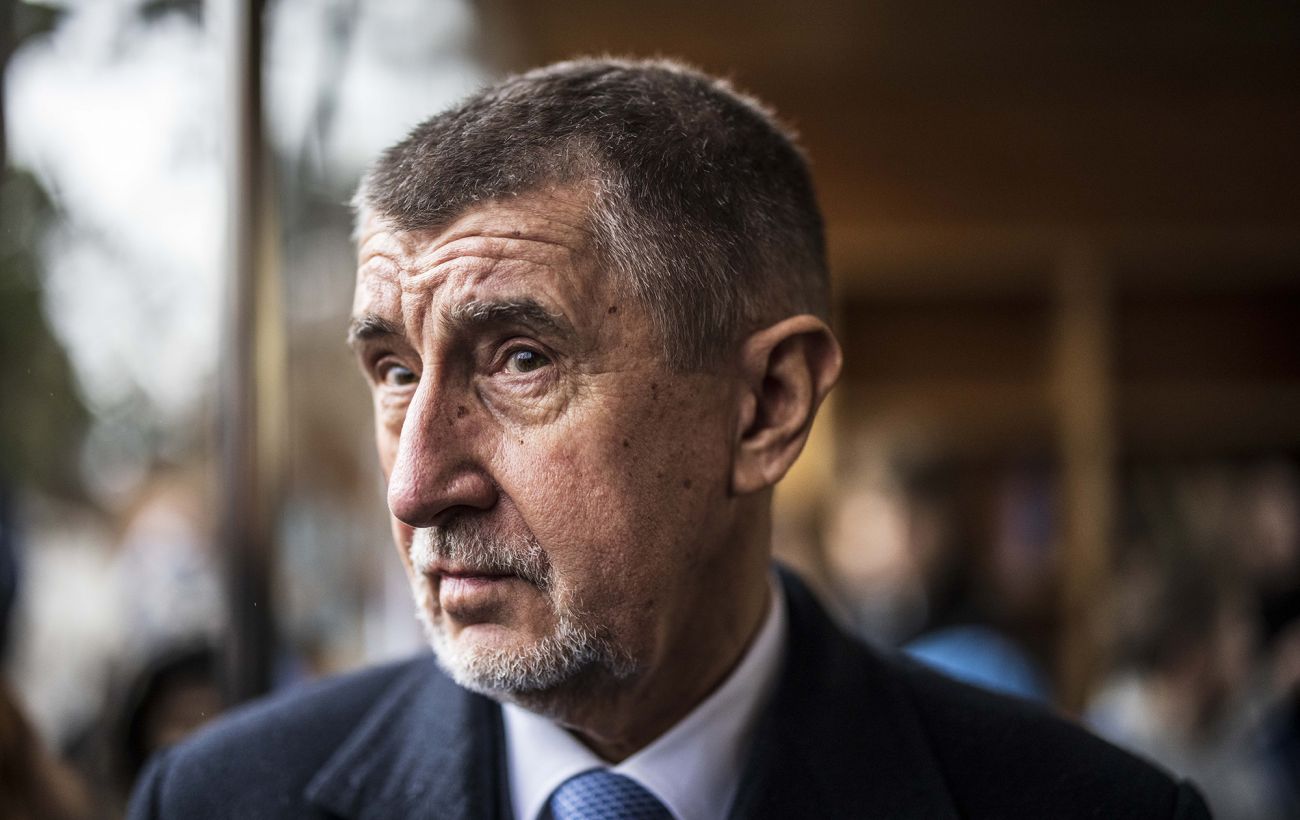
Czech Republic opposes EU budget proposal regarding aid to Ukraine
Czech Prime Minister Andrej Babiš has criticized the EU's 2028-2034 budget proposal, specifically objecting to the allocation of 100 billion euros for Ukraine.