Water Consumption and Blood Pressure: Cardiologists' Guidelines for Bar Residents
Experts clarify how proper hydration stabilizes blood pressure and provide specific daily water intake targets for men and women.
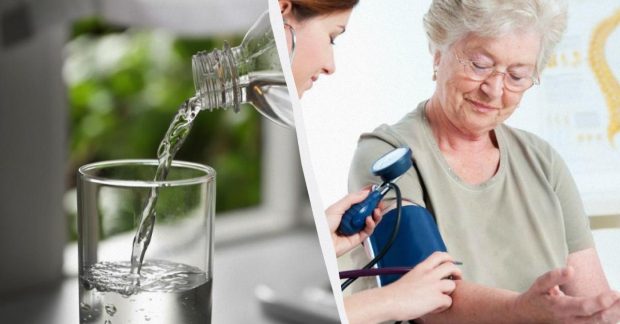 🩺Health
Photo: UNIAN
Key points
- Daily goals are roughly 2.1L for women and 3.1L for men.
- Dehydration triggers vasopressin, which constricts vessels and raises blood pressure.
- Excessive water intake can be hazardous for individuals with heart, liver, or kidney conditions.
Maintaining proper hydration is a cornerstone of cardiovascular health. For the residents of Bar, understanding the direct link between water intake and blood pressure can lead to better daily health management. Leading cardiologists emphasize that water plays a vital role in blood pressure regulation, but its effects can be complex, potentially causing both drops and spikes in pressure depending on hydration levels.
The Science of Hydration and Pressure
Human blood is primarily composed of water. When the body is dehydrated, the total volume of circulating blood decreases, leading to lower pressure on vessel walls. As vascular surgeon William Schutze points out, this drop in volume is why dehydration often causes dizziness, especially when standing up. However, the body reacts to fluid loss by releasing vasopressin, a hormone that constricts blood vessels and signals the kidneys to retain water, which subsequently raises blood pressure.
Recommended Intake and Safety Limits
To maintain a healthy balance, experts suggest the following daily targets:
- For women: approximately 2.1 liters (9 cups);
- For men: approximately 3.1 liters (13 cups).
However, Dr. Ethan Korngold warns against over-hydration. Consuming excessive amounts of water can increase blood volume to levels that strain the heart and raise blood pressure. This is particularly dangerous for the elderly and those with pre-existing conditions such as heart failure, liver disease, or kidney problems.
"Excess fluid in the body and sharp spikes in blood pressure can be dangerous for those with heart or kidney issues,"Korngold noted.
Ultimately, water is just one piece of the health puzzle. Cardiologist Tisa Saha stresses that while hydration is a beneficial habit, it does not replace critical measures like reducing sodium intake, increasing physical activity, and following prescribed medical treatments. Proper fluid intake helps the body maintain a stable blood volume, keeping pressure within a normal range when combined with a healthy lifestyle.
Source UNIAN — unian.ua/health/shcho-bude-yakshcho-piti-duzhe-malo-vodi-kardiologi… ↗
Read next
 🛡️Security
Strike on Vyshneve Store: Three Dead and Dozens Injured in Attack
As a result of a hostile strike on a grocery store in Vyshneve, Kyiv region, three people were killed and at least 13 were injured. Rescue operations in the region contin…
 👥Society
Fatal Border Crossing: Ukrainian Found Dead in Snow-Covered Romanian Mountains
During a search and rescue operation in the Maramureș mountains, Romanian emergency services discovered the body of a deceased Ukrainian citizen. Two other companions wer…
 ⚽Sport
Ukrainian Boxer Sofiia Turbinina Wins Bronze at European U23 Championships
Ukrainian athlete Sofiia Turbinina claimed a bronze medal at the European U23 Boxing Championships in Croatia, reaching the semi-finals in the 48 kg division.
 💼Economy
Finland Plans to Recover Over 25 Billion Euros from Russia and Gazprom
Finnish enforcement authorities are processing unprecedented international arbitration claims against Russia and Gazprom totaling over 25 billion euros.
 🚨Events
Large-scale attacks on the energy system: emergency power outages in five regions
Following a Russian strike on energy infrastructure in the Dnipropetrovsk region, emergency power restrictions have been implemented across several Ukrainian regions.
 🚨Events
The Culture of Repair: Rethinking Ukraine's Recovery
An analysis of the approach to Ukraine's recovery through the lens of daily labor and adaptation to new realities, where repair becomes a key strategy.