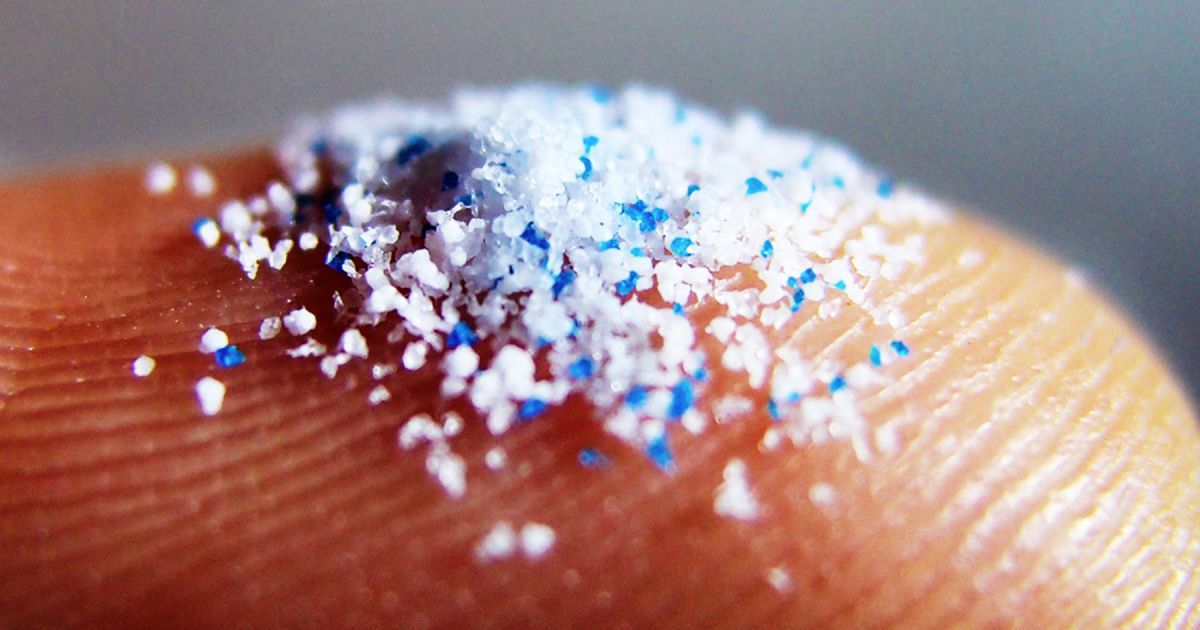
Microplastics in water: scientists discover hidden chemical threat to cells
Research from Columbia University proves that microplastics do not just accumulate in the body but trigger active chemical reactions with water, potentially damaging biological structures.
 🩺Health
Photo: TSN
Key points
- Microplastics generate reactive oxygen species upon contact with water
- Cell damage confirmed by laboratory experiments
- Heating plastic at home increases the risk of microparticle release
Microplastics, which we are accustomed to considering passive environmental pollutants, have proven to be significantly more dangerous. New data from researchers at Columbia University and the University of California, Berkeley, indicate that plastic particles are capable of initiating chemical processes directly upon contact with water.
The mechanism of chemical activity
Scientists found that reactive oxygen species, including hydroxyl radicals, form on the surface of microplastics. These compounds can damage DNA, proteins, and cell membranes. Experiments with mouse erythrocytes confirmed that exposure to polystyrene can cause cells to deform and rupture.
- Polyethylene and polypropylene show the highest activity.
- PET and acrylic demonstrate lower chemical aggressiveness.
- As particle size decreases, the total surface area increases, which enhances reactivity.
Researchers emphasize that everyday habits, such as heating plastic containers in the microwave or storing water in the sun for long periods, accelerate the breakdown of plastic into tiny fragments. This creates additional conditions for microparticles to enter our bodies.
Source TSN — tsn.ua/zdorovya/mikroplastyk-vyiavyvsia-nebezpechnishym-niz-vvazaly-shc… ↗
Read next
 ⚽Sport
Dramatic overtimes and favorite wins: highlights of the Basketball Superleague matches
The latest round of the Basketball Superleague brought plenty of excitement as reigning champion Dnipro secured an away win against Kyiv-Basket, and Niko-Basket staged an…
 🇺🇦Ukraine
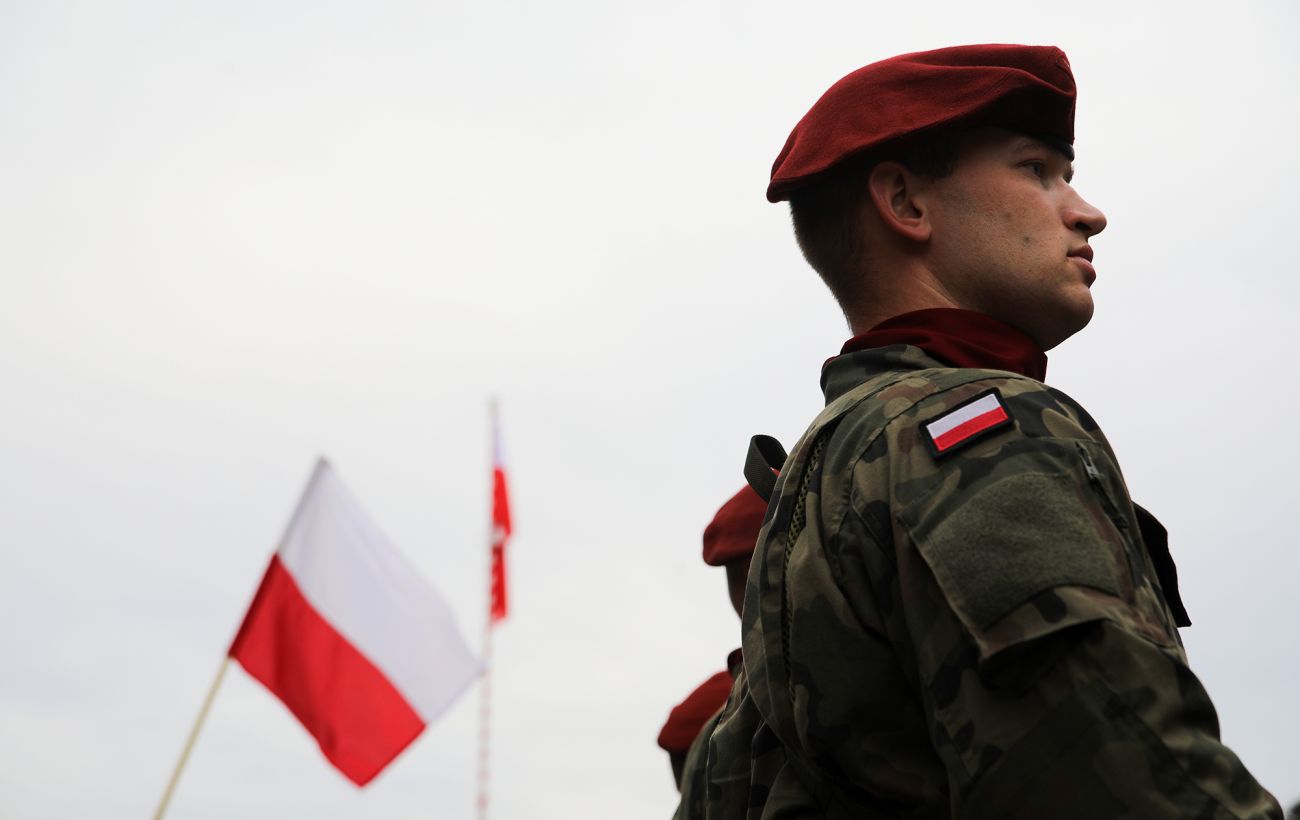
Poland Demands NATO Strengthen Air Defense After Missile Incursion
Following the violation of Polish airspace by Russian missiles, Warsaw is calling on NATO to reinforce air defenses along the eastern flank.
 🛡️Security
Body of third victim recovered from rubble of residential building in Dymer, Kyiv region
Rescuers in the Kyiv region continue search operations at the site of a five-story building in Dymer struck during a nighttime attack.
 💡Tech
Thermonuclear Reactors in Space: Scientists Propose New Energy Source
Researchers suggest deploying thermonuclear reactors in orbit to power future space missions and deep-space settlements.
 🛡️Security
New Strikes on Energy Infrastructure: Gas Workers and Fuel Stations Targeted
Russian forces launched an airstrike on a gas facility in the Dnipropetrovsk region and attacked two filling stations in Zaporizhzhia.
 🚌Transport
Government Announces Digital Platform for Reporting Disruptions to Essential Services
Prime Minister Sergii Koretskyi announced the creation of a specialized digital platform to quickly track and respond to emergencies in critical infrastructure.